
This year’s Book Week theme is Symphony of Stories, celebrating the idea of stories within stories. Every character has their own story, and when these characters come together they create something new, just like different instruments coming together to make a symphony.
The most important part of story reading is that it is joyful. Always follow your child’s lead when reading together, and whenever they come to you with a book in their hand, make time to share a joyful moment in a book world.
Storytelling is how humans have passed knowledge from generation to generation across every culture. It also builds oral language skills, which lay the foundation for all future literacy learning.
Sharing books with children brings language benefits that go beyond the story itself:
It’s never too early to start reading together. Understanding how children interact with books at different ages helps families build a lifelong love of story time through gentle, fun, shared moments.
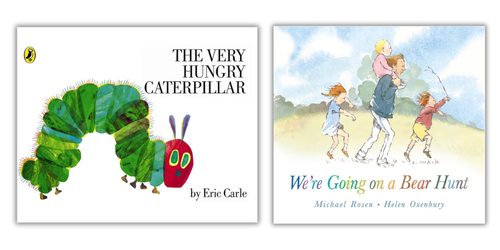
Babies enjoy simple drawings, photos, and books linked to songs. Repetitive stories like The Very Hungry Caterpillar and We’re Going on a Bear Hunt are firm favourites. Since everything ends up in a baby’s mouth at this age, board books are the best choice.
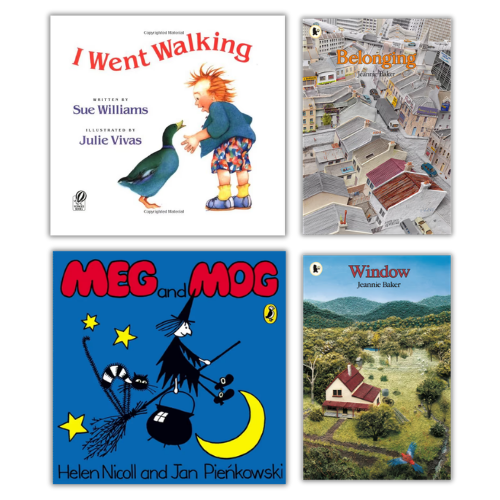
Toddlers are busy exploring their newfound mobility, so story time might look a little different for a while. Turning pages can become the main event, and that’s okay.
Lift-the-flap books are much loved at this age, but always explore them together. Left alone, toddlers will pull the flaps off before they’ve learned how much strength is needed and what happens when a flap comes away. Gently guiding their hand to lift the flap slowly, over time, teaches them how to handle books with care.
Toddlers are experts at pointing to direct attention, and they’ll use the same trick during story time to show you exactly where they want to focus. At this age, the goal is to engage with the book together, not to read every word. Wordless books work well, and a quick summary is fine if you notice a page is about to be turned. Stories about everyday experiences, like a trip to the doctor, shop or park, help toddlers relate to what they’re reading. Look for books with tear-resistant pages so toddlers can “read” independently while they’re still learning to be gentle.
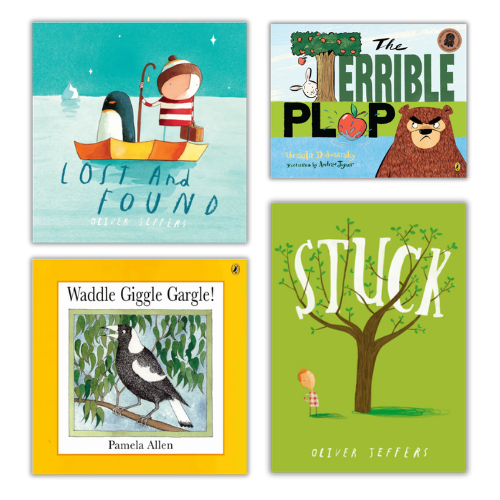
From around age three, vocabulary and comprehension grow quickly, and children become more absorbed in stories. Rhyming books work well as children tune more precisely into sound and love playing with words. Preschoolers enjoy imaginative and fantastical stories and can often predict what happens next. Hearing about and relating to characters also supports their growing empathy.
Respect for books starts early and needs ongoing reinforcement. At playgroup, it matters that children see well-cared-for books rather than damaged or tattered ones tossed in a box, which teaches them that books aren’t important.
A few simple habits help:
Visit Better Beginnings: https://www.better-beginnings.com.au
Playgroup WA has been supporting, servicing and establishing playgroups throughout Western Australia since 1972.
