Visual Supports at Playgroup

At playgroup, we welcome children with all kinds of personalities, interests, and ways of learning and communicating. One of the biggest joys - and sometimes challenges - is finding ways to connect with each child and help them feel confident, included and understood.

Because children develop and communicate in different ways, it’s not always easy to meet every need at once. But there is one simple, yet powerful, tool that can make a big difference, and that is visual supports.

Children may not always need or use visual supports, but having them available shows that our playgroup is inclusive and values, supports, and celebrates the many different ways children communicate.

What are visual supports?

Visual supports are things we can see - like pictures, objects, or signs - that help children understand what is happening around them. They may be things like:
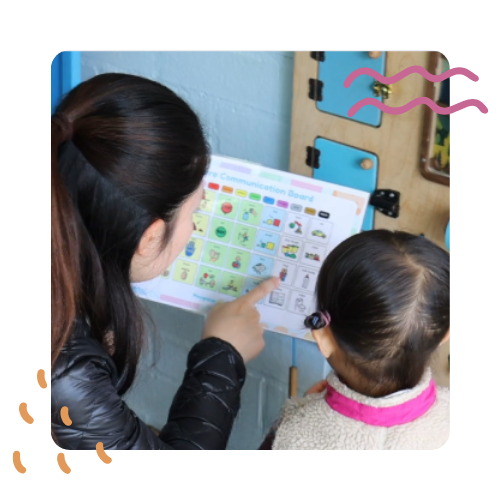
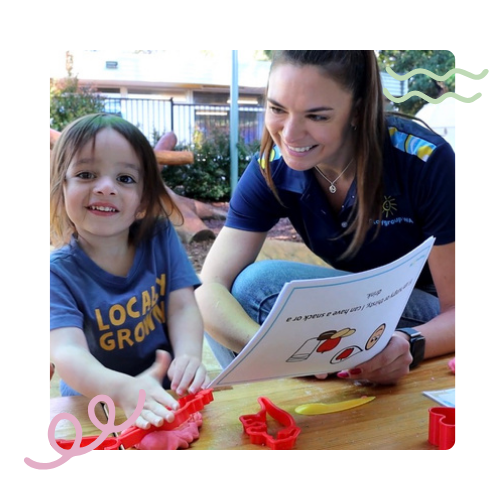
  • Visual schedules - Pictures showing the order of the day at playgroup e.g. welcome - play - snack - craft - pack away
  • Communication boards - a grid of multiple pictures related to a task that children can use to express their wants and needs
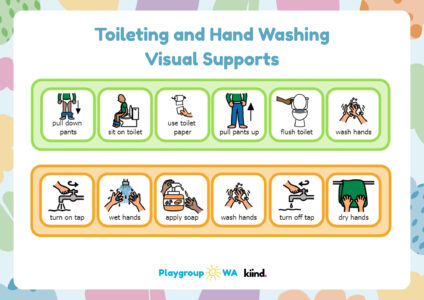
  • Step by step sequences for tasks like handwashing or toileting
  • Social stories - Simple picture stories explaining routines or social situations for example “Going to Playgroup”
  • “My Turn” and “Wait” visuals - Helps children understand sharing and turn-taking
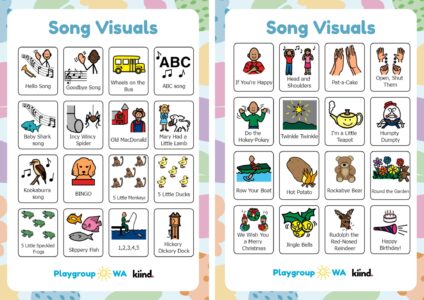
  • Real objects - Small objects in a song bag for children to request which song they would like to sing e.g. a star for “Twinkle, Twinkle”
  • Key Word Signs or Gestures - Simple hand signs paired with spoken words
  • High-tech devices such as an iPad or tablet that acts as the child's voice to communicate with others
Inclusion webpage 5
Inclusion webpage 4

Why visual supports work

Visual supports make learning and routines easier by:

  • Reducing the need to remember lots of verbal instructions
  • Making expectations clear
  • Helping with transitions and routines
  • Supporting children who are learning to speak, who are non-speaking, learning a second language or have delays in communication.

Even more importantly, they help children become more independent. With visuals, children can follow routines, make choices, and understand what is happening without needing constant reminders from adults.

Visuals are for everyone

Visuals aren’t just for toddlers or children with disability or developmental delay. They support all children to feel more confident, involved, safe, and express their wants and needs.

Here are some examples on how you can use visual supports at playgroup:

  • Using physical items during songs - like a toy spider for “Incy Wincy”, or animal toys for “Old MacDonald”
  • A step-by-step visual sequence for washing hands to support children to wash their hands and increase independence
  • A communication board during snack time to communicate if they would like more, if they are finished, or if they like or dislike something, or during craft to request different coloured textas or crayons.

Download the Visual Supports Tip Sheet

Visual Supports Information and Editable Templates: