Inclusive Play, Everyday, at Playgroup WA

At Playgroup WA, we believe every child and family deserves to feel welcomed, valued, and safe at playgroup - no matter their ability, background, culture, language, or family type.

Playgroup is a place where friendships grow, children learn through play, and families find support and connection.

When everyone is included, playgroups become a space where differences are celebrated, every voice is heard, and all families can belong. Inclusive playgroups help children develop confidence and social skills while building stronger, more connected communities across Western Australia.

Why creating an inclusive playgroup is important

For many parents and caregivers, particularly those who have a child with disability or developmental delay, joining a playgroup can feel overwhelming. Walking into a new space, meeting unfamiliar people, and worrying about how their child may be welcomed can bring feelings of anxiety or uncertainty. Some families may fear that others won’t understand their child’s needs, or that their family might stand out.

Inclusion webpage 1

Creating a welcoming, inclusive playgroup helps ease these concerns by showing every family that they are accepted just as they are.

When playgroups offer understanding, flexibility, and connection, families feel safe to join in, share experiences, and enjoy the benefits of play and community belonging.
Click to download our 'Inclusive Play, Everyday' poster for your playgroup
Tips to make playgroups more inclusive
1. Before a new family attends:
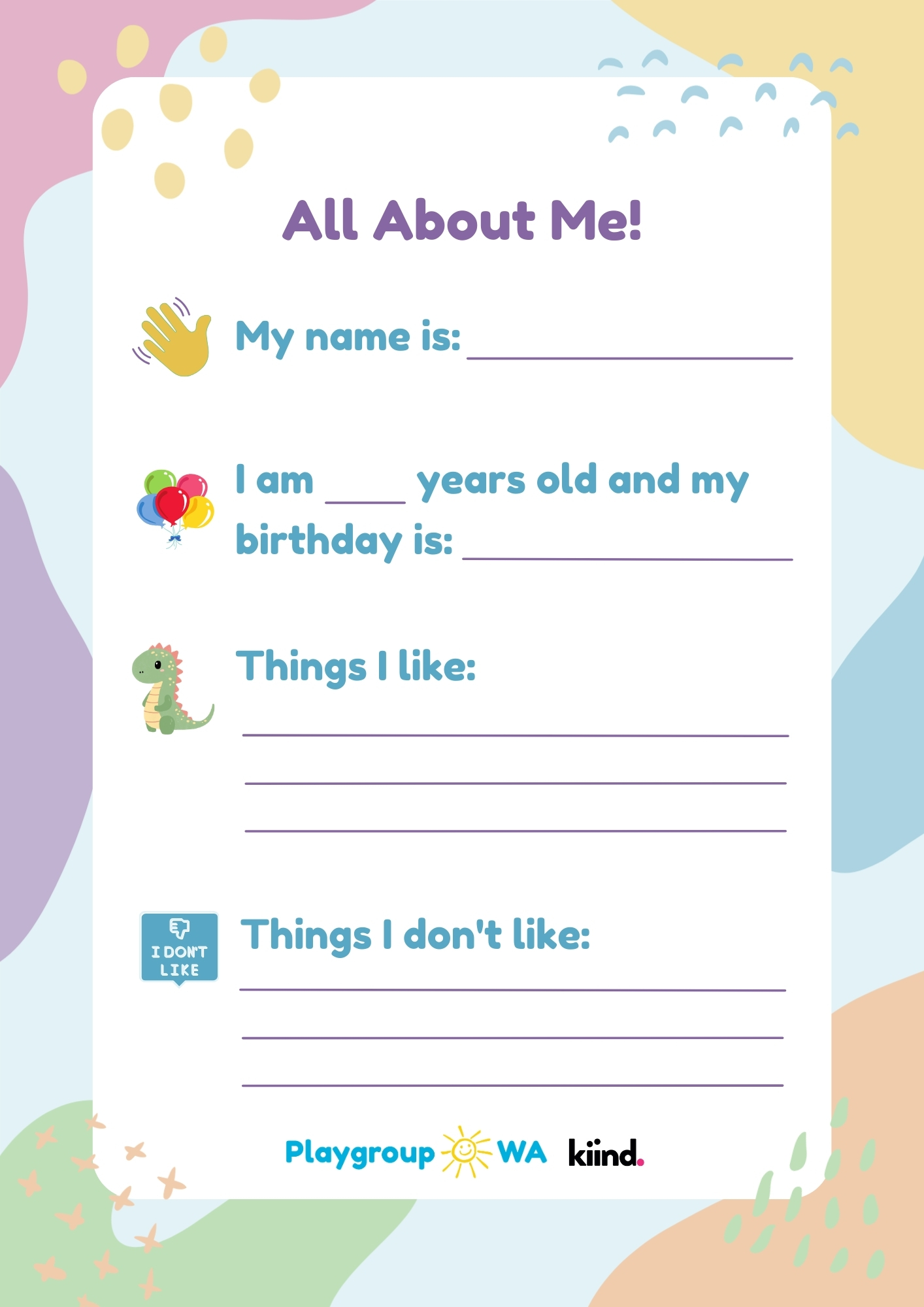
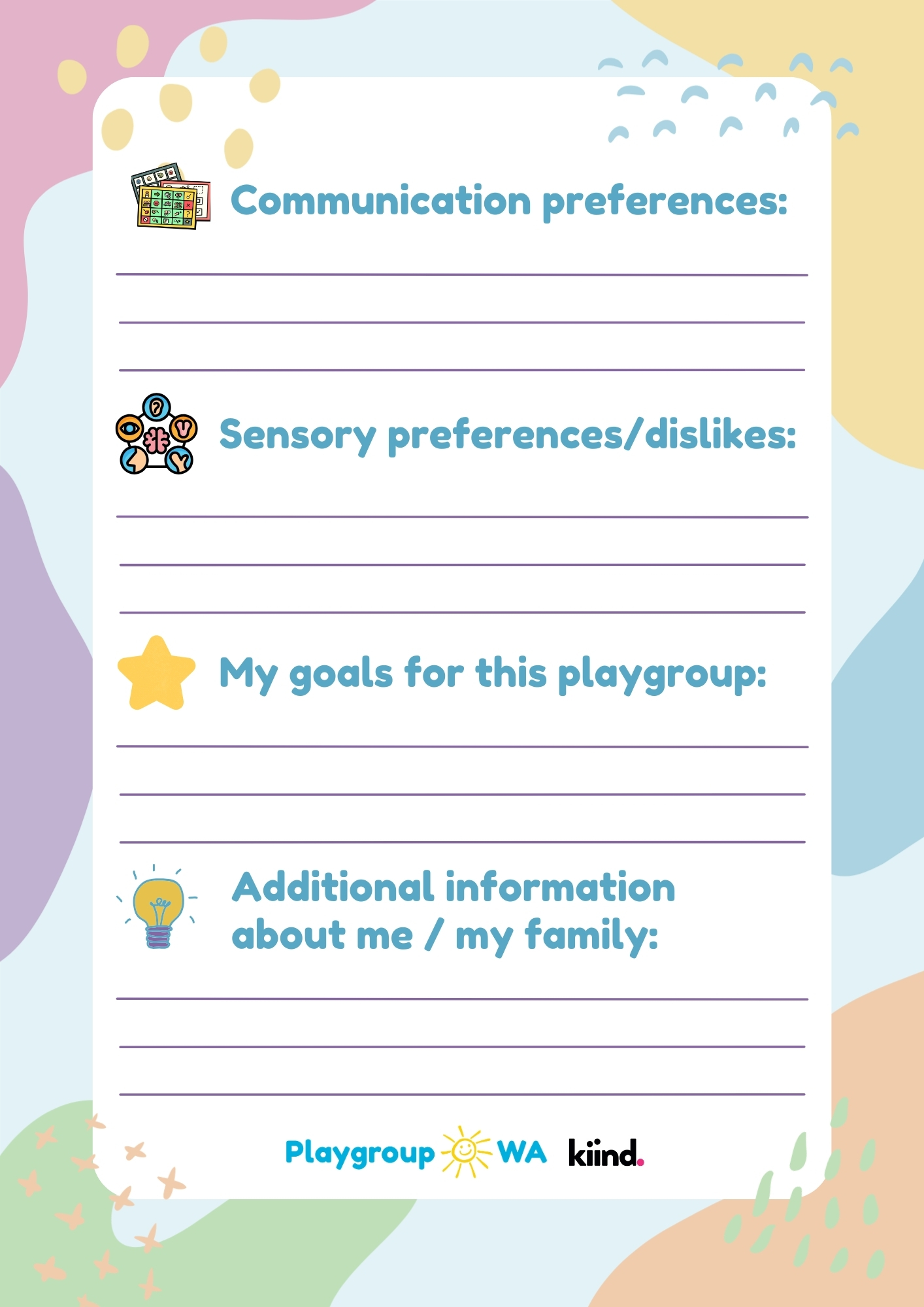
  • Send an “All About Me” form to learn more about the family - their child’s likes and dislikes, sensory or communication preferences, and anything else they would like to share. This shows families that we value their input and want to set them up for a positive first session at playgroup
  • Send a “Going to Playgroup” Social Story to new families prior to them starting. this can help them feel more prepared and confident about attending playgroup.
2. Offer a warm welcome:
  • A smile and a hello go a long way!
  • Greet every family and learn their names (name tags can help!)
  • Introduce new families to existing members and offer to show them around
  • Explain the routine (if you have one) to help them know what to expect.
3. Ensure the space is accessible:
  • Check that entrances, toilets, and play areas are accessible for prams, wheelchairs, and mobility aids.
  • Playgroup venues vary, so if you have concerns about accessibility, please speak with your Development Officer for advice or support.
4. Offer a sensory-friendly space:
  • Provide a quiet or sensory area for children (or adults) who may need a break when things feel too busy or overwhelming.
  • It allows children to regulate and reset before re-joining play - helping families feel supported to stay and be part of the group.
  • For ideas, see our “Creating a Sensory Space at Playgroup” tip sheet.
5. Use visual supports:
  • Visual supports make playgroups more inclusive, calm, and engaging for all children.
  • They help everyone - regardless of age, ability, or language - to understand, participate, and feel a sense of belonging.
  • Learn more in our “Visual Supports” tip sheet.

Inclusive Playgroup Resources

All About Me Form

Help every child feel at home from day one with our “All About Me” form, designed to help playgroups understand your child’s unique interests and needs. It’s a simple way to share what matters most to your family so we can create a welcoming and supportive space for everyone. Learn more & download template

Visual Supports

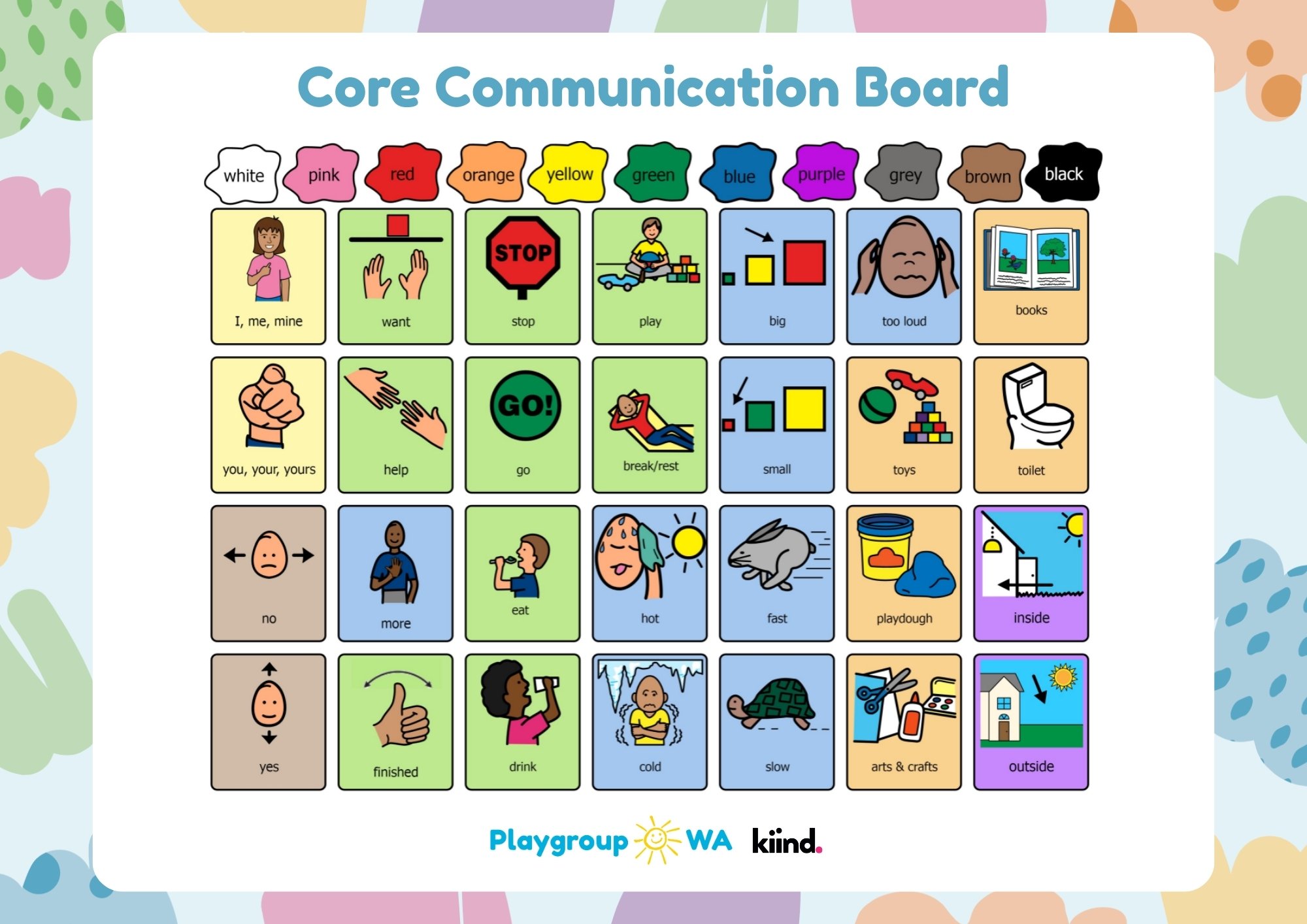
Learn how visual supports can transform your playgroup with our practical tips and ready-to-use templates for social stories, communication boards, song visuals and more. These tools help bridge communication gaps and ensure every child feels understood, confident, and ready to play. Learn more & download templates

Social Story template - Going to Playgroup
Core Communication Board
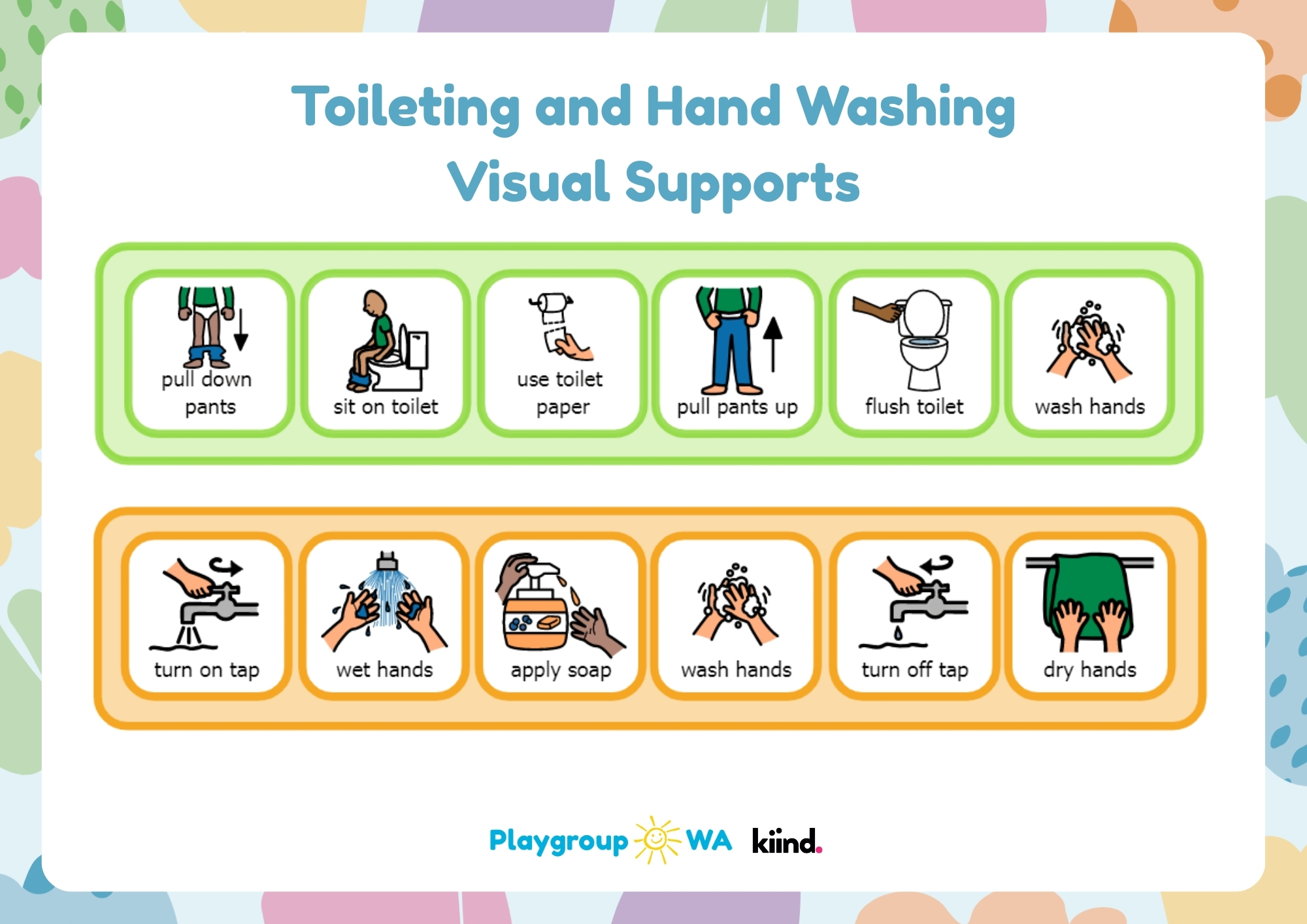
Toileting and Hand Washing Visual Supports
Understanding & Supporting Sensory Experiences

Learn how to build a sensory-friendly playgroup with tip sheets on creating sensory spaces, sensory play ideas, and understanding sensory processing and stimming. This resource offers practical advice to help you support every child’s unique needs and create a calm, inclusive environment for play. Learn more & download tip sheets
Inclusion images

Click below to learn more and download more tip sheets:

Additional Resources and Information

Support & Services:
  • PlayConnect+ - PlayConnect+ playgroups are free facilitated weekly sessions operating across Perth and WA. The program offers holistic family support including information and advice linking to other disability support services. PlayConnect+ playgroups are a great way for families to connect, share knowledge, ideas, and have fun! Learn more
  • Kiind- Peer Navigators can help with understanding development, seeking a diagnosis, accessing financial supports, advocacy, behaviour support, and connecting with different services along the way. With lived experience of caring for a family member with disability, Peer Navigators bring understanding, empathy, and practical knowledge of the health, disability and education systems. This service is designed to support families to feel informed, supported, and less alone as they make decisions that are right for their family. Learn more
  • Perth Kids Hub - Many families face long waitlists and uncertainty when trying to book diagnostic or therapy appointments — Perth Kids Hub brings key information together in one place so you can see which specialists have availability, download helpful guides, and explore options for assessments and support services. It’s a practical starting point for families trying to navigate appointments, assessments and supports for children with developmental concerns, all in a searchable, accessible format. Learn more
  • Raising Children Network - For families of young children, the Raising Children Network can help build confidence by offering reliable information about development, early signs of difference, strategies to support children’s strengths and needs, and guidance on when and how to seek extra support. It reinforces that families don’t need to wait for a diagnosis to start supporting their child. For playgroup committees, it is a valuable resource to share with families, providing inclusive play ideas, accessible information, and practical strategies that support participation, understanding and belonging for all children. The resources can help create welcoming, informed playgroup environments where diversity in development is understood and supported. Learn more
  • Autism Parent’ Handbook – This handbook is a great resource for families of children aged 0–5 because it helps parents understand autism early, feel more confident in finding and accessing support, and plan next steps in ways that suit their child’s needs. It can also be useful for playgroup committees, offering insight into what families may be experiencing, common early challenges, and links to helpful services, so playgroups can be more welcoming, informed and supportive for children with developmental differences and their families. Learn more
Toys & Resources:

Having inclusive toys, resources and books at playgroup helps ensure all children feel seen, valued and included. Toys and stories that reflect a range of abilities, communication styles and ways of moving, support children to understand and celebrate difference from an early age. For children with disability or developmental delay, seeing themselves represented in play materials and books can build confidence, a sense of belonging and positive identity. Inclusive resources also help all children develop empathy, understanding and acceptance, creating a playgroup environment where every child can participate, connect and thrive.

Kiind Diagnosis Resources:

All children develop at their own pace, but you know your child best. If you have concerns about your child’s development, it’s okay to trust your instincts and seek support. You might notice your child is not talking, moving, playing, or interacting in ways you would expect for their age, and there are supportive steps you can take to explore these concerns.

Attending regular child health checks supports families to track a child's growth and development over time, talk though any worries, and, where appropriate, help with referrals for further assessment. 

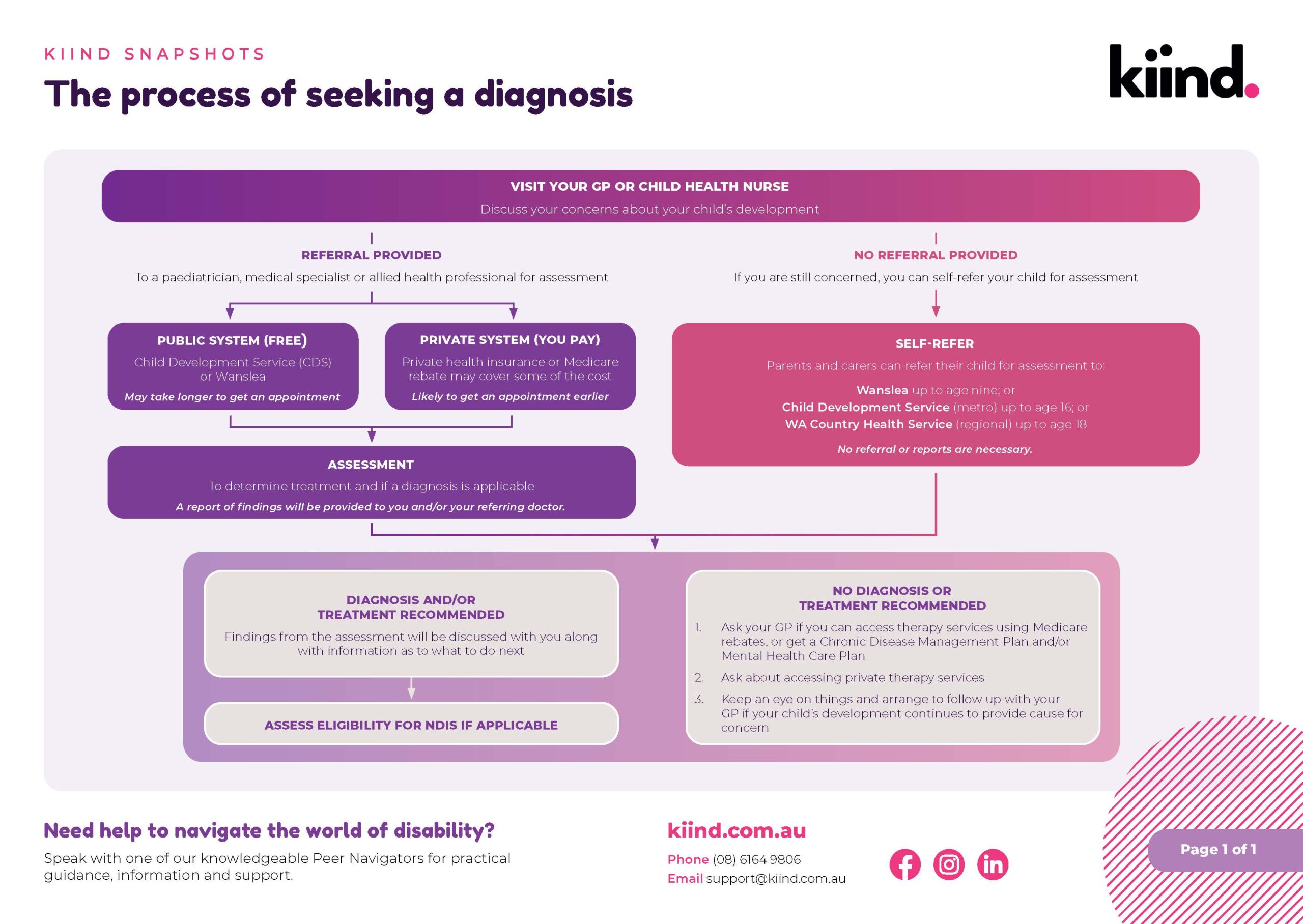
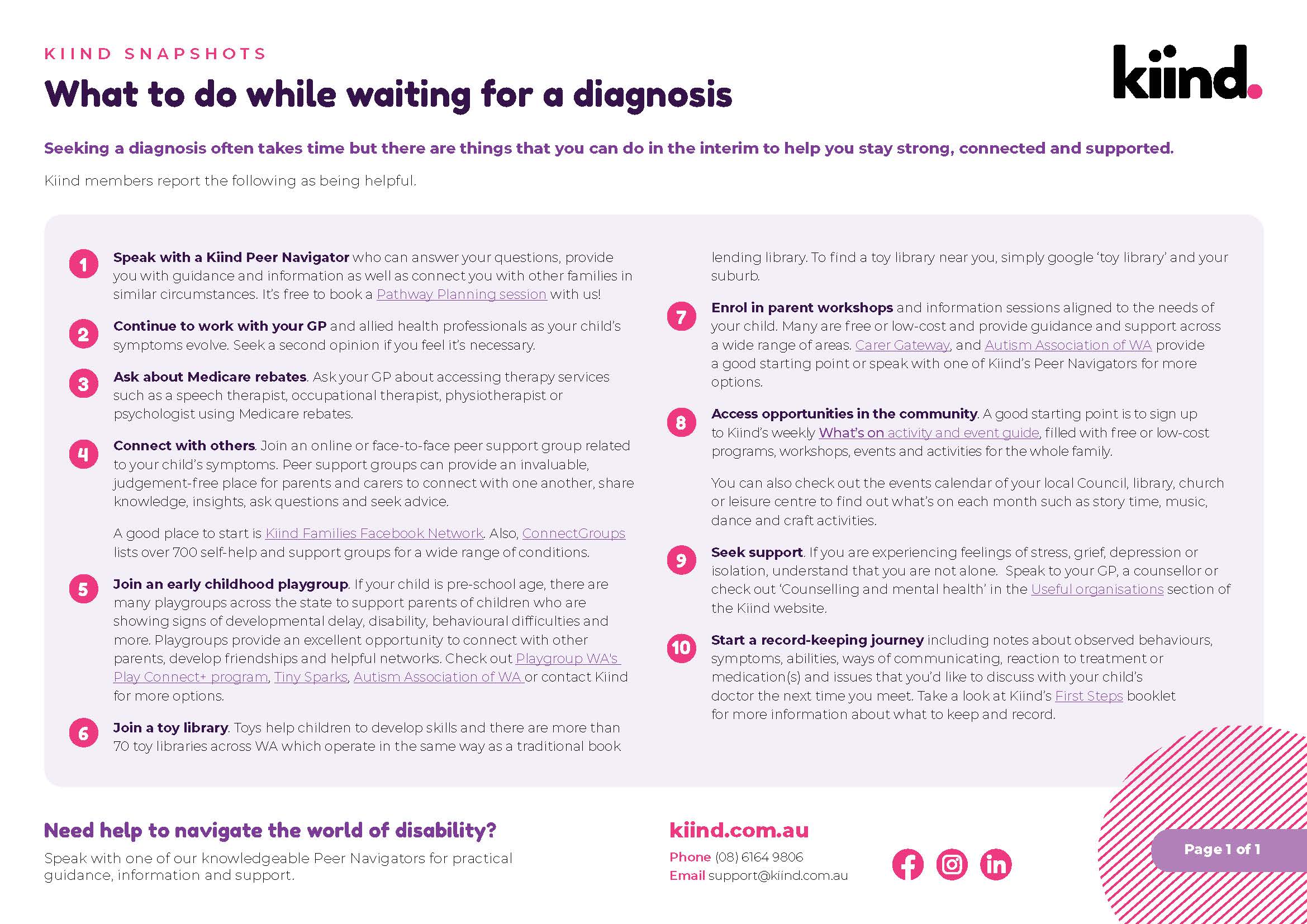
The information guides below, developed by the team at Kiind, explain the process of seeking an assessment, including how to get a referral or self-refer, what information or reports may be useful, and ways you can support your child while waiting for an appointment or outcome. You don’t need to wait for a diagnosis to start supporting your child and taking early steps at any stage can make a positive difference for your child and family.

Carer Supports

Caring for a child with a disability or additional support needs is a journey filled with love, resilience, and dedication - but it can also be physically and emotionally demanding. When you take time to look after your own wellbeing - whether through rest, connection, support, or doing things that bring you joy - you build the strength and energy needed to care effectively for your child. Selfcare helps prevent burnout, supports mental health, and fosters a more balanced, sustainable family life.

Here are some carer supports you can access free of charge:

  • Kiind - Kiind supports families raising children living with disability, developmental delay, autism, genetic, rare, undiagnosed and/or chronic conditions. They provide practical assistance, emotional support, connection to other families and help to find the most appropriate services and supports for children and their families. www.kiind.com.au/
  • MyTime - MyTime is for all parents and carers of children under the age of 18 who need a higher level of care than other children. This might be because of disability, developmental delay, or a chronic medical condition. MyTime is a space where you can unwind and share experiences with others who understand. www.mytime.net.au/
  • Carers WA - Carers WA is a not-for-profit, community based organisation and registered charity dedicated to improving the lives of family and friend carers living in Western Australia. Carers WA supports the empowerment and wellbeing of carers through a range of innovative programs, services and advocacy. Carers WA is the lead service delivery partner for Carer Gateway in WA. www.carerswa.asn.au/
  • Carer Gateway - Carer Gateway is an Australian Government initiative for family carers in Australia. It provides a mix of free online, telephone and in-person supports, services and advice. www.carergateway.gov.au/

Inclusive Play Spaces in Perth

There are many inclusive play spaces throughout Perth, designed to cater to children of all abilities. These spaces feature accessible designs, sensory exploration, and inclusive equipment, ensuring a fun and engaging experience for everyone!

Find an inclusive play space near you!