
Sensory play is any activity that stimulate a child’s senses - touch, sight, sound, smell, and taste, as well as movement and balance. It might look like simple (and sometimes messy!) fun, but it is actually an important way children learn about their world and develop important life skills.
Encourages Curiosity and Imagination: Sensory experiences invite children to explore and create in their own way - there is no “right” or “wrong” outcome.
Supports Emotional Regulation: Sensory activities can be calming or stimulating depending on what a child needs. They help children manage emotions, focus attention, and feel secure in new environments.
Strengthens Fine and Gross Motor Skills: Scooping, pouring, squeezing, and manipulating materials all help develop the muscles needed for everyday tasks like writing, dressing, and feeding.
Lots of children love exploring sensory play! It’s all about giving little ones the chance to touch, smell, see, hear and move as they discover new textures and materials. Below are just a few sensory play ideas you can try at your playgroup! Get creative and feel free to use some of your own ideas.
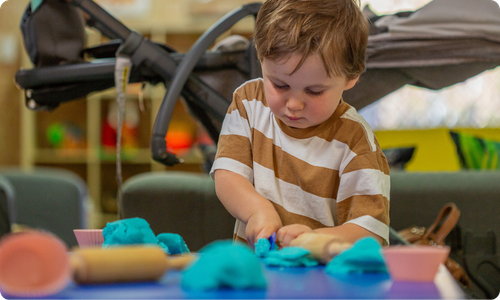
Playdough Fun
Playdough is a simple, hands-on sensory activity that encourages children to squeeze, roll, shape and create together. It supports fine motor development, creativity and early learning, while also promoting social interaction, shared play and language as children sit alongside one another and talk about what they are making.
You’ll need:
What to do:
Rainbow Spaghetti
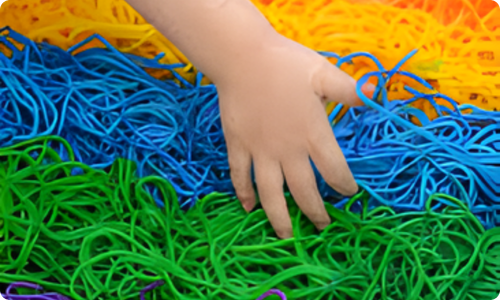
Rainbow spaghetti is a bright, sensory-rich activity that encourages children to explore colour, texture and messy play together. It supports sensory exploration, fine motor development and creativity through open-ended play, while also promoting social interaction and language as children play alongside one another and talk about what they are seeing and feeling.
You’ll need:
What to do:
Divide the cooked spaghetti into bags or bowls, add different food colours with a little oil or water, and mix to coat. Rinse well with cold water, then invite children to explore the spaghetti freely through touching, mixing and play.
Pigs in Mud
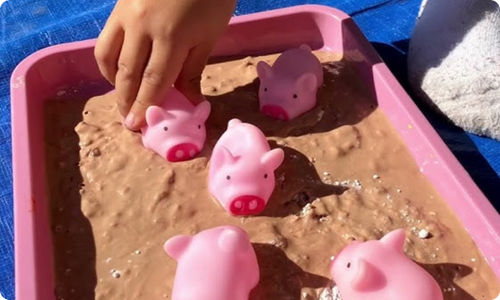
Pigs in Mud is a fun, hands-on sensory play activity that invites children to explore messy “mud” while playing with toy pigs or other farm animals. It supports sensory exploration, fine motor development, creativity and imaginative play, while also encouraging social interaction, turn-taking and language as children play alongside one another and share in the experience.
You’ll need:
What to do:
Mix the ingredients to create a soft, squishy mud, then add the animals to the tray.
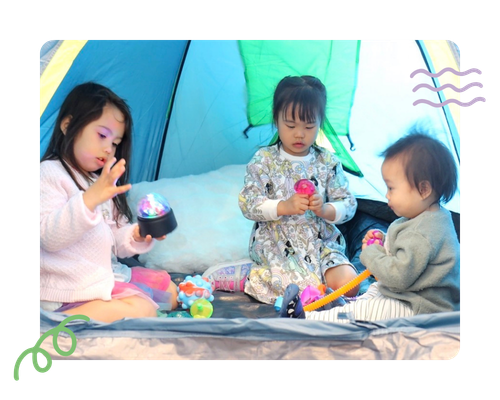
A Sensory Space provides a safe, calming space where children can regulate sensory input and manage sensory sensitivities. It can help to reduce anxiety, overstimulation, and stress, promoting relaxation and participation at playgroup, and other settings. Sensory spaces can help support all children to feel safe, calm and included.
Choosing the right space
Select a quieter, low-traffic area of your playgroup venue where distractions are minimised. If there is an area where the lights can be dimmed or turned off, even better!
Creating the space
You don't need to spend a lot of money purchasing fancy resources, such as specific blackout sensory tents. You can purchase low-cost tents from shops like Kmart or Big W for a fraction of the cost. Better still, throw a blanket over a table to create a "fort-like” space at no cost at all!
Lighting - consider calming lighting, such as fairy lights, lava lamps, or galaxy lights.
Seating - provide comfortable seating options such as cushions or beanbags
Toys/activities - incorporate fidget toys, visual toys, and books. You can also make your own sensory toys such as glitter bottles or texture boards, which is a fun activity to do with the children at playgroup.
Tips:
Optional: Fill a doona cover with cushions/pillows/blankets to create a DIY sensory crash pad!
Playgroup WA has been supporting, servicing and establishing playgroups throughout Western Australia since 1972.
